2026 Design Trends for Bedrooms and Wardrobes
As we approach 2026, interior design continues to evolve — and bedrooms along with wardrobes are stepping into the spotlight. With people increasingly valuing comfort, functionality, and personalized style, the bedroom is becoming more than a place to sleep — it’s now a sanctuary for rest, organization, and lifestyle. Below are the top trends shaping bedroom and wardrobe design for 2026.

1. Bedrooms as Personalized Retreats
-
Sanctuary-style bedrooms: The trend is shifting toward creating a space that feels more like a boutique hotel suite or a cozy retreat than a simple bedroom. Expect calming palettes (soft neutrals, earthy tones, muted pastels), luxurious bedding, and layered lighting for a serene, spa-like atmosphere.
-
Flexible zones within bedrooms: Bedrooms are becoming multifunctional — combining sleeping, reading, dressing, and even small work/wellness nooks. Think comfortable reading corners, small vanities, or integrated desks without compromising the relaxing vibe.
-
Texture layering for comfort: Mixing textures — linen or cotton bedding, matte wood furniture, soft rugs, velvet or woven cushions — adds tactile richness and warmth. Texture contrasts make the space inviting and versatile.
2. Smart, Custom Wardrobes & Storage Systems
-
Modular wardrobe systems: Rather than one-size-fits-all closets, 2026 favors modular wardrobes that can adapt over time. Adjustable shelving, drawer modules, and reconfigurable compartments allow flexibility as storage needs change.
-
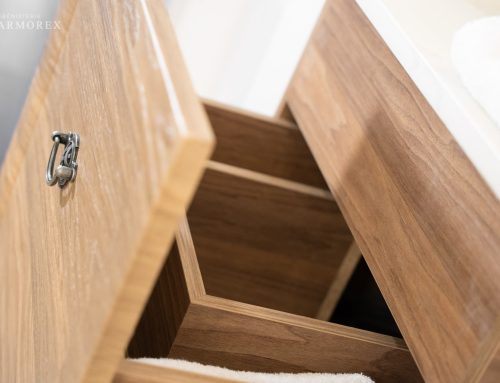
Hidden storage and minimalist exterior: Clean, handle-less doors and smooth cabinetry exteriors give wardrobes a sleek, minimalist look. Inside — smart partitions, pull-out drawers, jewelry trays, shoe racks. Functional organization without visual clutter.
-
Mixed-material wardrobes: Combining warm wood tones with matte black metal, frosted glass, or soft-touch laminates — these mixed finishes create depth and a premium appearance while offering durability.


3. Light & Ambience: Integrated Lighting and Mood Control
-
Built-in lighting in closets and wardrobes: LED strips, motion-activated lights, or soft interior lighting inside wardrobes are increasingly popular. It ensures easy access and adds a sense of luxury.
-
Ambient and layered bedroom lighting: A mix of overhead ambient lights, bedside reading lamps, and decorative accent lights creates a cozy, adaptable environment. Lighting becomes a design feature, not just functional.
-
Smart lighting controls: Voice or app-based dimming and color temperature control allow users to change mood and atmosphere — from bright and energizing to soft and relaxing.
4. Sustainability & Eco-Conscious Materials
-
Locally sourced wood and certified materials: Expect more demand for wood species certified by sustainable forestry standards (FSC, PEFC), recycled materials, and eco-friendly finishes with low VOCs.
-
Durable, long-lasting cabinetry: With focus on quality rather than quantity, homeowners choose durable materials and craftsmanship designed to last decades — reducing waste and unnecessary replacement cycles.
-
Upcyclable and modular furniture: Wardrobes and bedroom furniture designed to be dismantled, reused, or reconfigured over time to adapt to changing needs and lifestyles.


5. Integrated Multimedia & Tech-Friendly Storage
-
Hidden charging stations and device storage: As more people bring technology into their bedrooms, wardrobes and nightstands increasingly include built-in USB outlets, concealed charging drawers, or cable management compartments.
-
Multifunctional furniture pieces: Beds with storage underneath, wardrobes with built-in mirrors and lighting, or vanities doubling as work nooks — furniture that supports a modern, connected lifestyle.
6. Personalization, Style & Aesthetic Harmony
-
Tailored finishes and custom details: Personalized touches — choice of wood, color, handles, textures — allow homeowners to reflect their personality and match the rest of the home decor.
-
Soft minimalist palettes with accent contrasts: Bedrooms often opt for calming base tones (sand, greige, off-white, soft grey), with accent colors or materials (matte black, brushed brass, deep wood) on wardrobes and furniture for a balanced, modern feel.
-
Open shelving and display spaces: For those who want to showcase décor, books, plants or personal items — integrating open shelves or glass-front cupboards gives wardrobes personality and a lived-in, elegant feel.


Considerations When Planning Your 2026 Bedroom / Wardrobe Project
Before diving into your renovation, keep in mind:
- Measure carefully: Modular wardrobes offer flexibility, but you’ll still want accurate sizing and overhead clearance (especially for built-in lighting or top shelves).
- Plan for lighting & wiring early: For integrated LED lights, smart plugs or charging stations — pre-plan wiring during construction or renovation to ensure clean installation.
- Think about ventilation and humidity control: Especially if using natural wood finishes — proper air circulation helps maintain longevity.
- Balance aesthetics and practicality: While textures, finishes, and lighting add beauty — ensure that storage capacity, usability and ease-of-access aren’t compromised.
- Choose quality craftsmanship: Opt for skilled cabinetmakers and quality materials to ensure durability, smooth mechanism operations, and timeless design.
ÉBÉNISTERIE ARMOREX
As we step into 2026, the design of bedrooms and wardrobes is becoming more thoughtful, personalized, and future-oriented. The best trends combine comfort, technology, sustainability, and timeless aesthetics to create spaces that don’t just store clothes — they enhance daily life, support well-being, and reflect personal style.
Whether you’re planning a full renovation or a simple upgrade, consider investing in custom wardrobes and bedroom furniture that match your lifestyle, grow with you, and bring long-term value and satisfaction.
Let your bedroom become more than a sleeping space — make it a sanctuary for rest, style, and smart living.